

Sensory toys can be used as tools to help children explore sensory information in a safe and supportive way. Sensory-focused objects can help children feel calmer, stay focused, and better understand the world around them.
For many children with autism, everyday experiences—like environmental noise, lights, or textures—can feel overwhelming or confusing. Sensory toys offer a structured way to interact with sensory stimuli, which can help children build comfort and confidence over time.
What Are Sensory Toys?
Sensory toys are objects that engage one or more of the senses, such as touch, sight, sound, or movement. Children can explore sensations at their own pace, in a way that feels predictable and safe. For children with autism, this type of play and/or interaction can support how the brain processes and responds to sensory information.
Why Sensory Input Matters for Children with Autism
Many children with autism experience differences in sensory processing. This means that the brain may respond more strongly or more subtly to everyday sensations. Some children may feel overwhelmed by loud sounds or bright lights. Others may seek more movement, pressure, or touch to feel calm.
For example:
A child who avoids loud noise may benefit from quiet, calming sensory input
A child who seeks movement may enjoy running or bouncing
Sensory-focused toys may promote comfort and participation in regular activities.
Benefits of Sensory Play for Children with Autism
Sensory friendly toys are often used to support how children take in and respond to sensory information. These tools and toys can help children feel more regulated, comfortable, and ready to engage in everyday routines.
In collaboration with your child’s treating occupational therapist, sensory-focused toys and objects can be used as tools to support sensory regulation, attention, and motor development.
Matching sensory strategies and tools to a child’s needs and preferences is the first and most important step. Continue to assess your child’s sensory preferences and consult with your child’s treating occupational therapist, as your child’s sensory profile may change over time.
Here’s ways you can use sensory play with your child:
Support Sensory Regulation
Calming input is different for every single person. Some prefer light touch (such as tickles) while others prefer deep pressure (such as arm and leg squeezes). It is important to understand the type and amount of input that is calming to your child. Continue to assess your child’s sensory preferences and consult your child’s treating occupational therapist for specific individualized recommendations.
Children can experience big feelings when their nervous system is dysregulated or overwhelmed. A dysregulated nervous system can elicit intense emotions. This could lead to a tantrum or a meltdown.
Although emotional and sensory regulation are related, their root causes are different. Our nervous system processes sensory stimuli in our environment and emotional regulation is a cognitive process.
Improve Focus and Attention
Some children benefit from pairing fidget tools with seated activities or performing movement breaks between tasks. This can make it easier to stay engaged during learning, play, or transitions between activities.
Build Motor Skills and Coordination
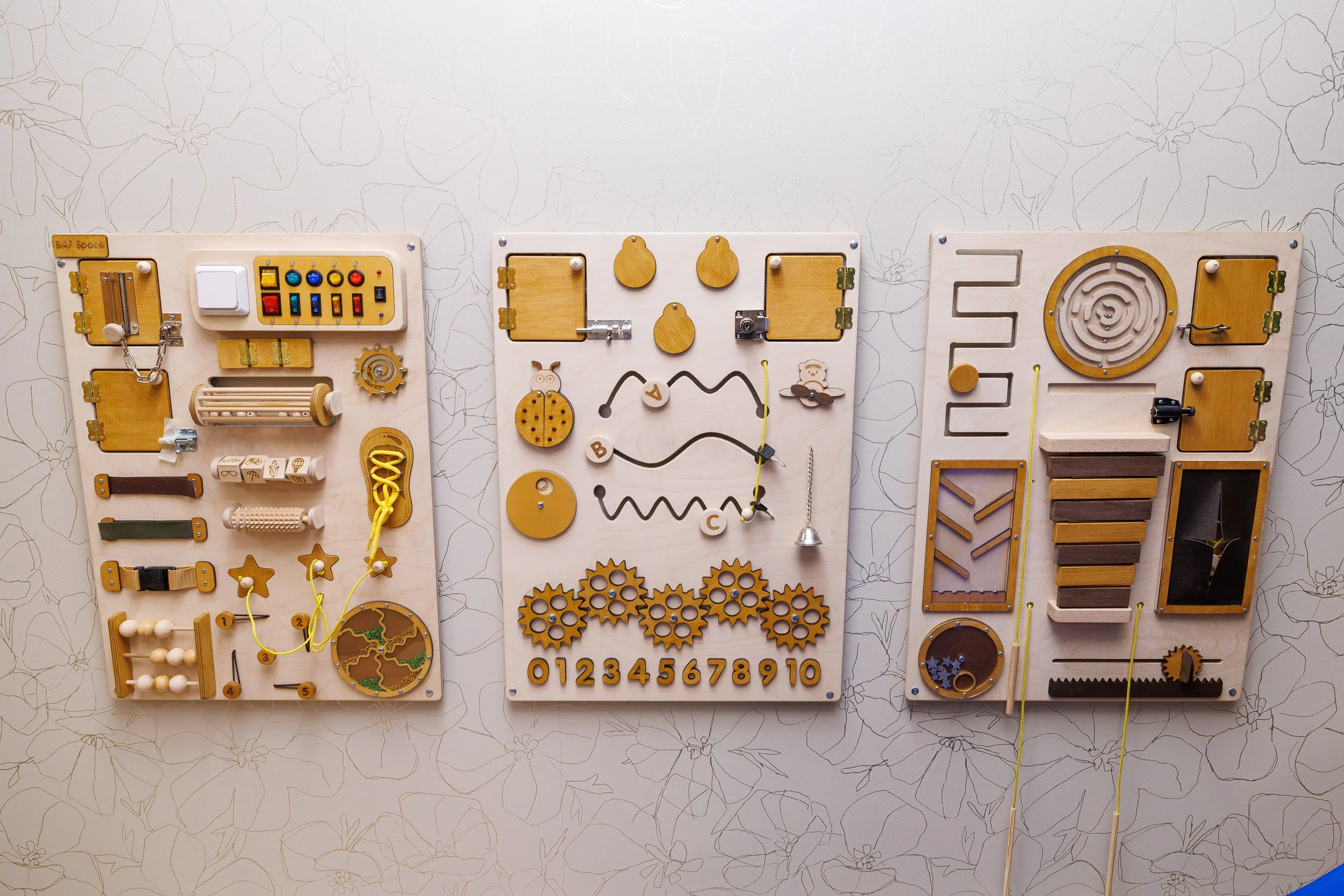
Hands-on activities like squeezing, stacking, or pulling help strengthen both fine and gross motor skills and provide sensory input. Over time, these movements support coordination and body control.
Encourage Communication and Social Interaction
Sensory regulation can support increased communication opportunities; these may include turn-taking, requesting, and joint attention while engaging in sensory play.
Types of Sensory Toys and How They Work
Different toys are designed to provide different kinds of input. Continue to monitor your child’s response to different sensory toys, tools, and input. Please consult with your child’s treating occupational therapist to determine the appropriate sensory-focused toys for your child. The therapist will specify the type and amount of sensory input suited for your child’s sensory needs.
Some children seek more input (like movement or pressure), while others prefer quieter, more controlled sensory experiences. The goal is to offer the appropriate amount and type of input—not more input overall. Certain toys will alert or calm different sensory systems. One toy can alert one system but calm another.
Tactile Toys (Touch)
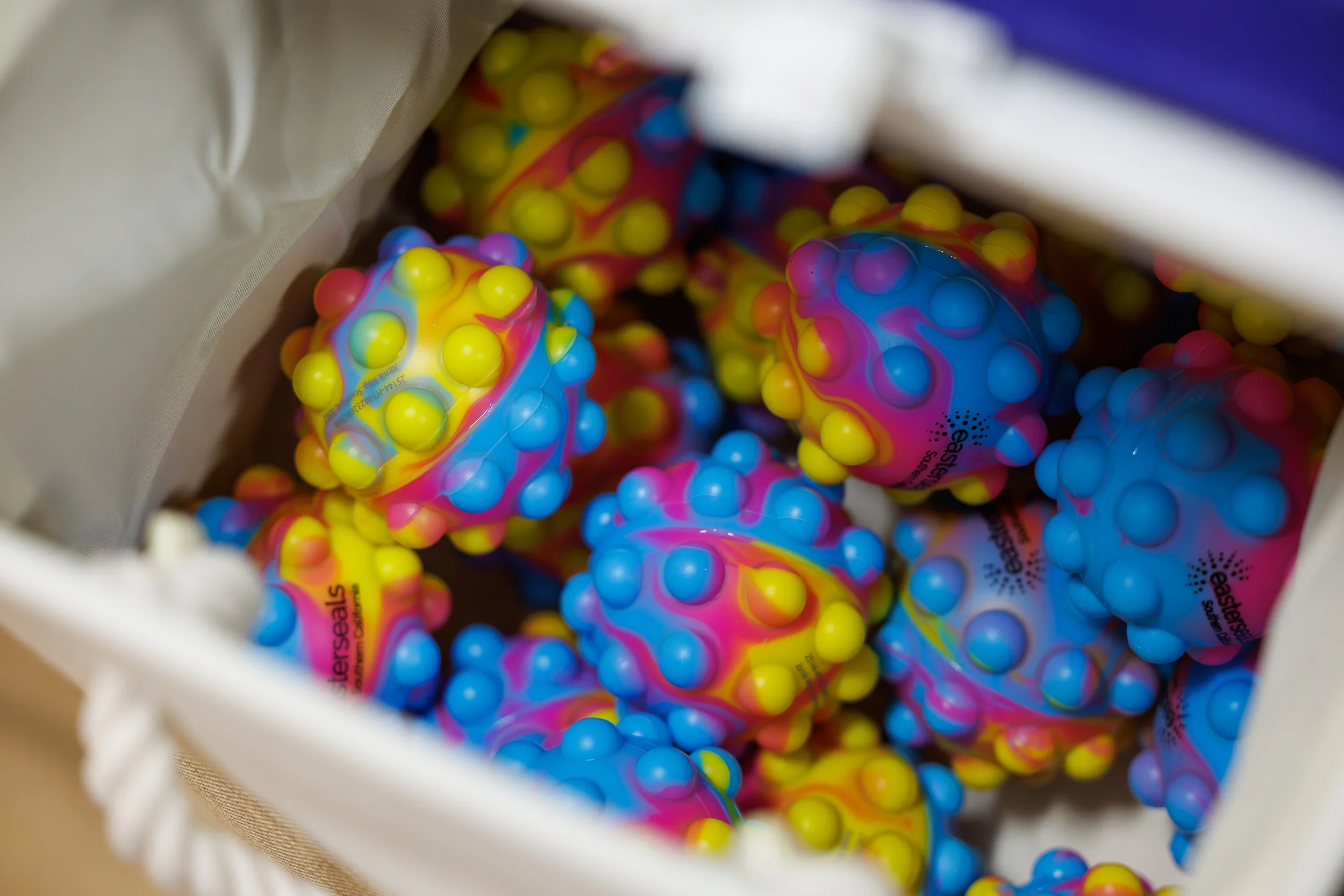
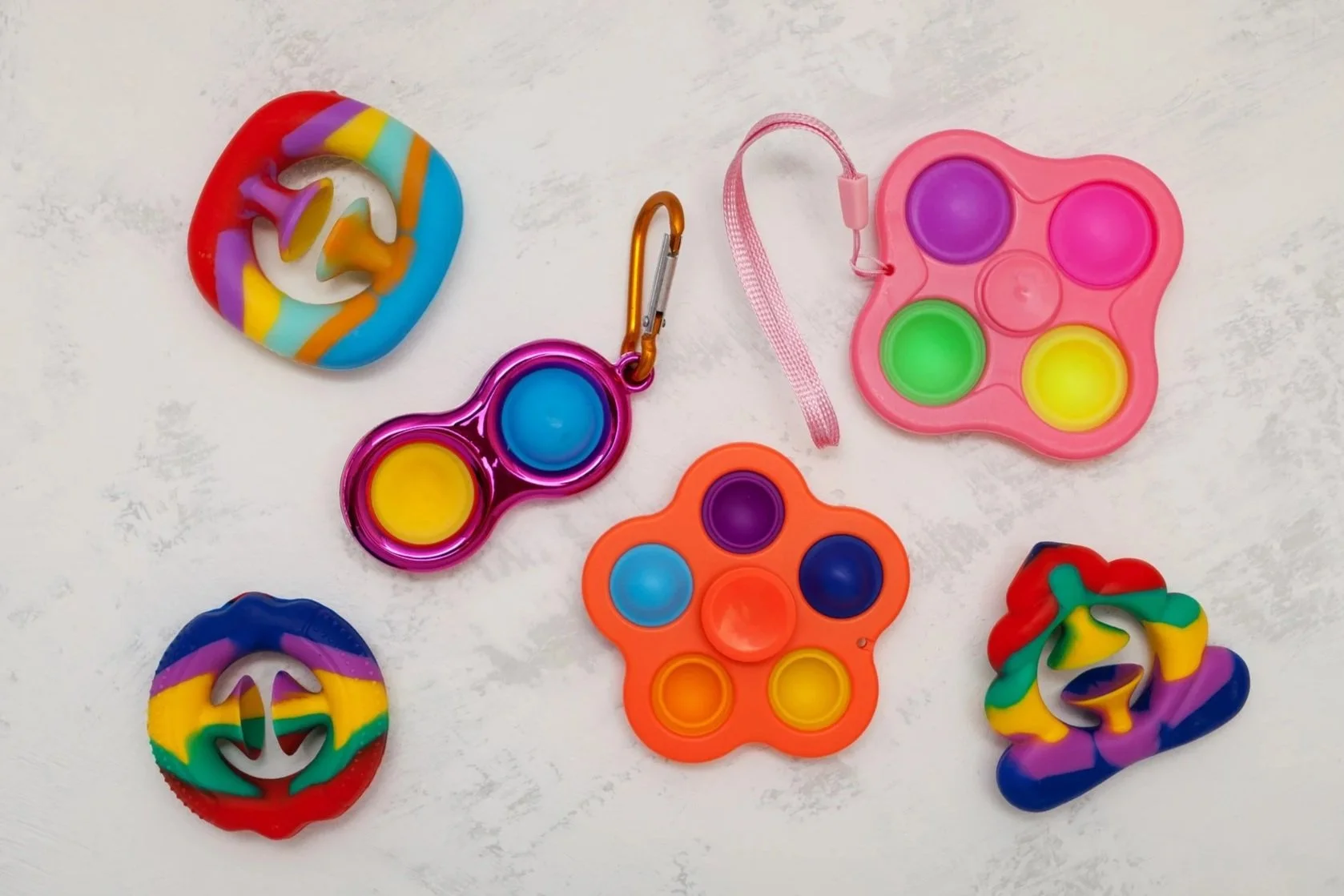
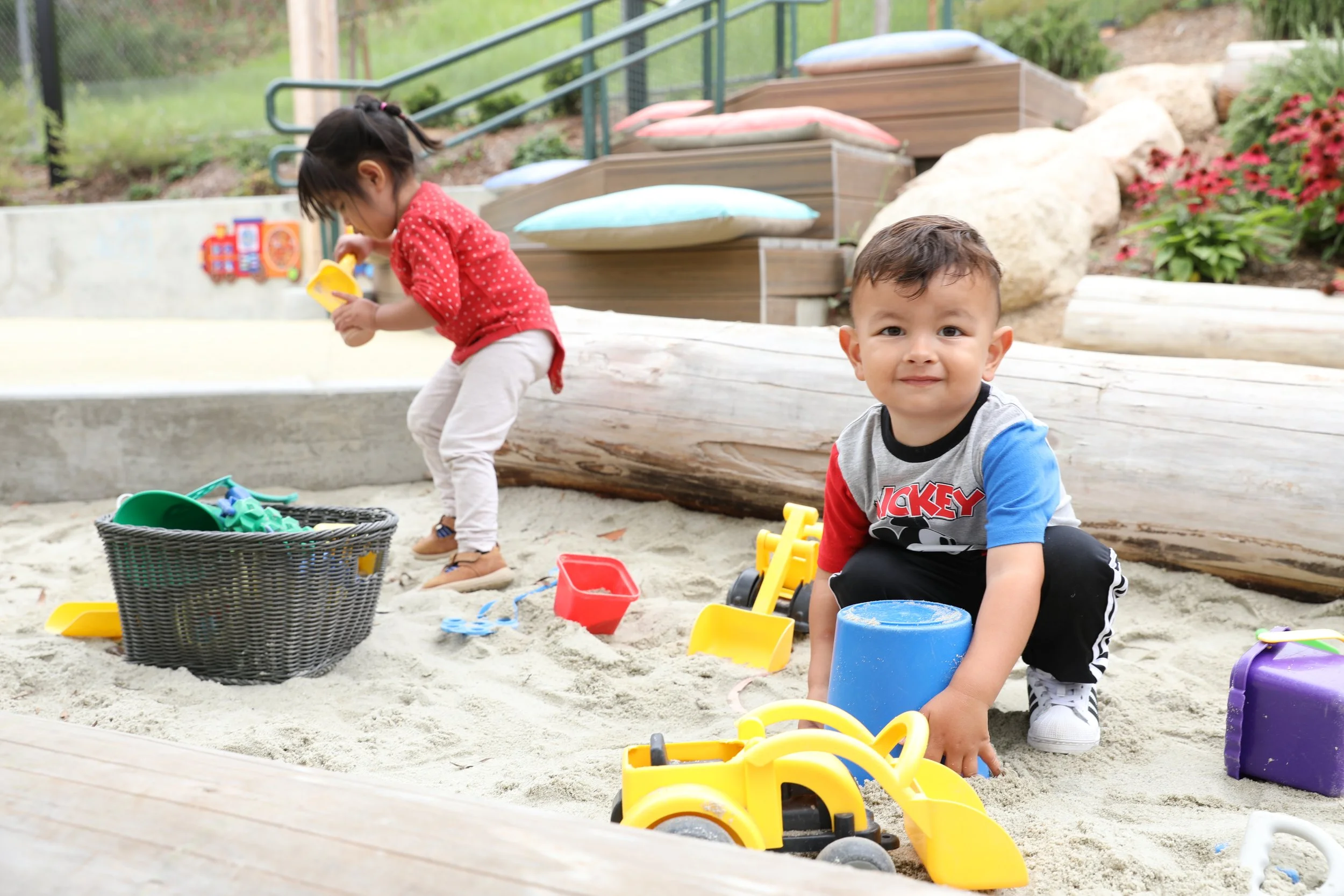
Items like putty, textured balls, or sensory bins can allow children to explore different textures under adult supervision. These activities can support tactile processing and fine motor skills practice.
Vestibular Toys (Movement and Balance)
Swings, balance boards, and bouncing balls provide movement-based input. These activities involve the vestibular system, which can help with balance, coordination, and spatial awareness.
Visual and Auditory Toys
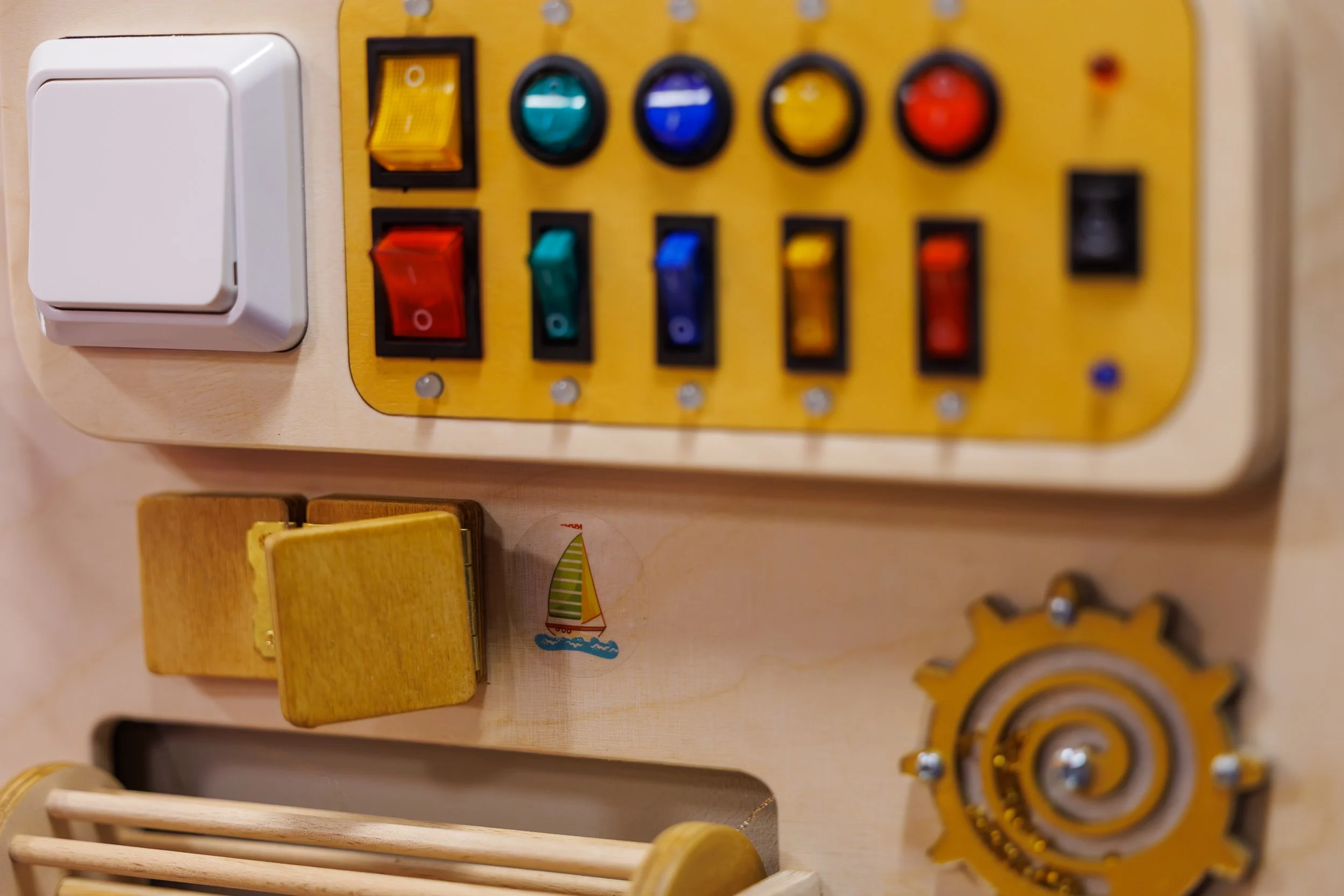
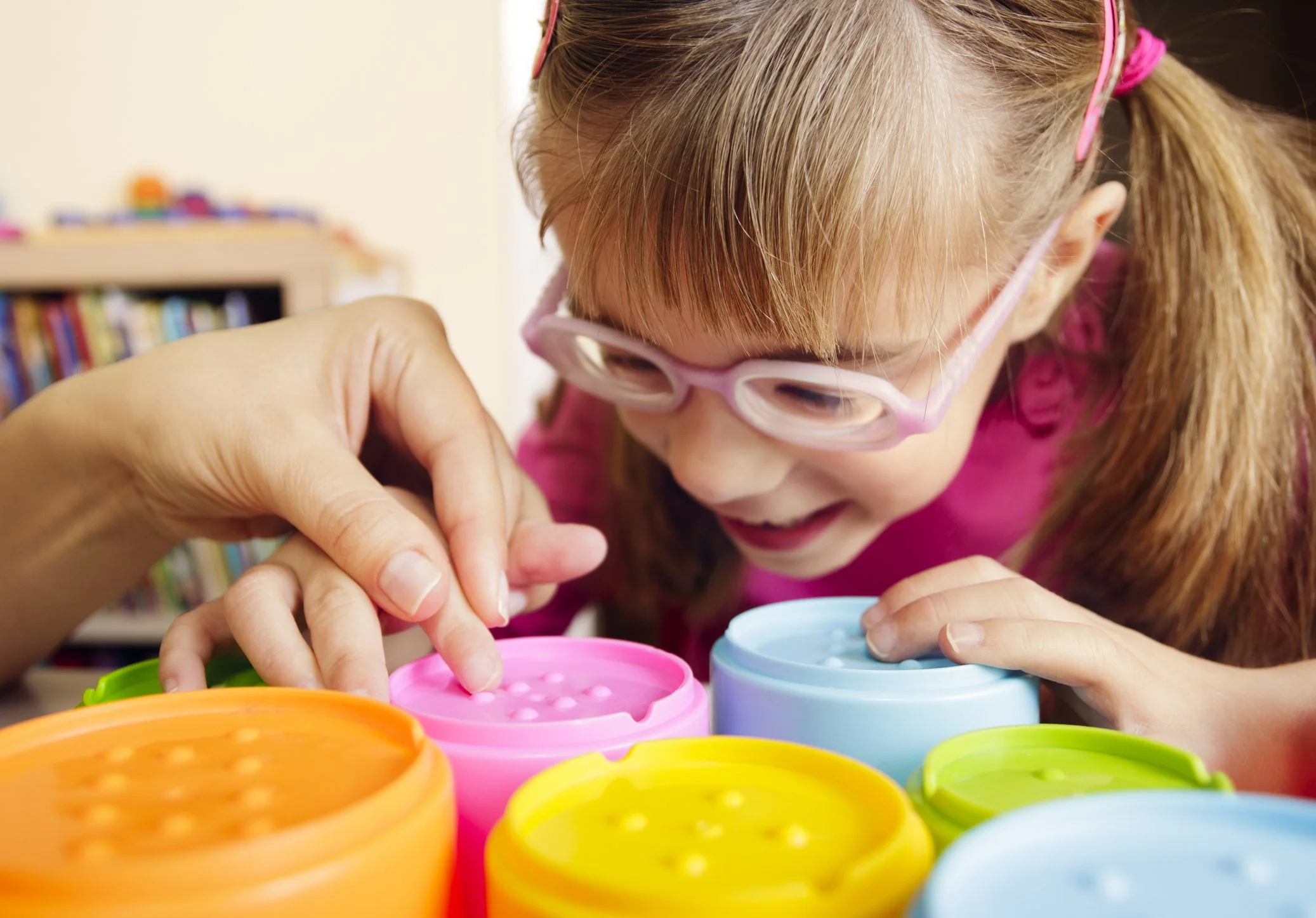
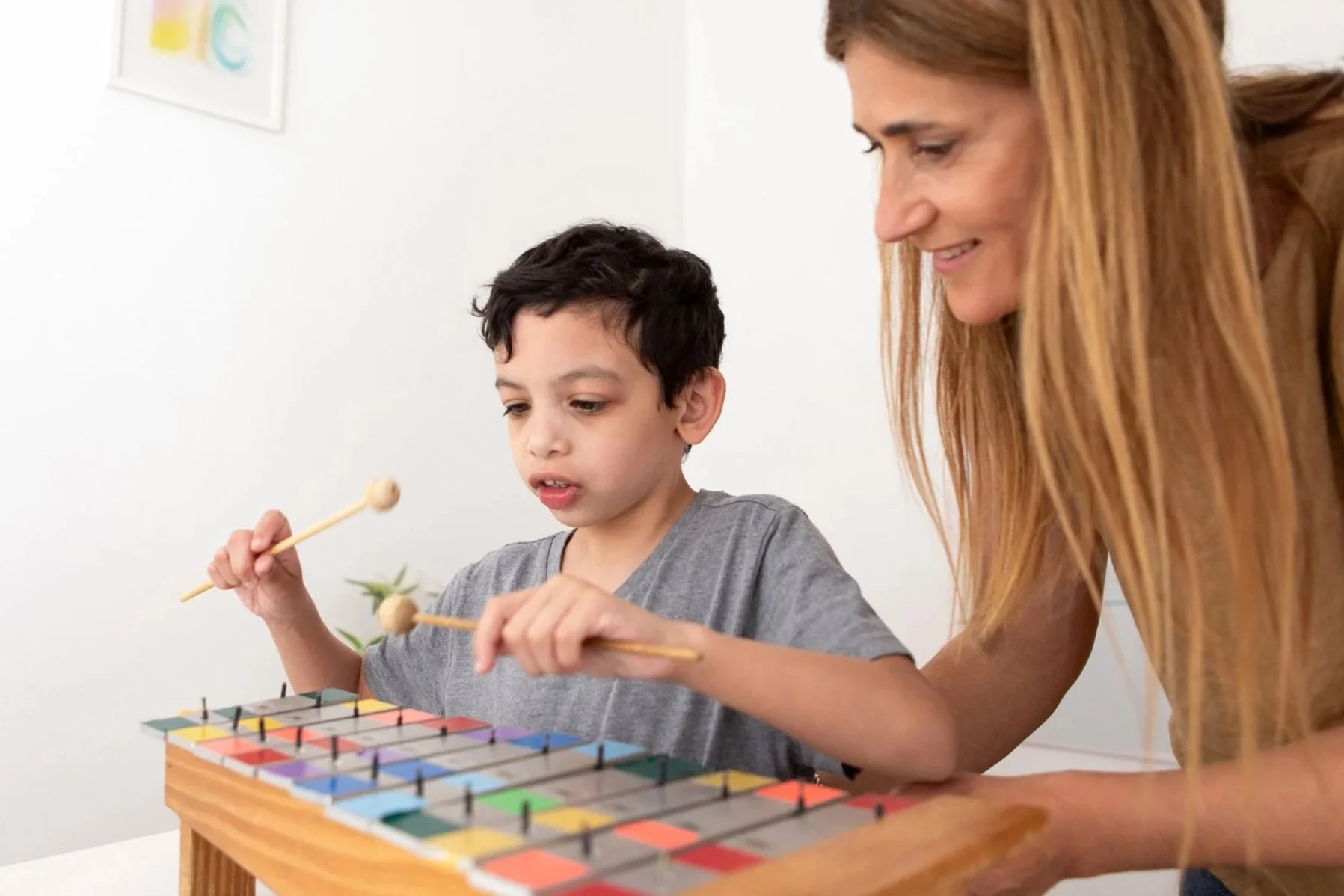
Light-up toys, slow-moving visual tools, or simple cause and effect items with sound can provide an opportunity to process visual and/or auditory input in a structured way. Interactions with these items may play a supporting role in calming or focus routines.
Proprioceptive Toys (Deep Pressure)
Weighted or resistance-based items provide input to the body through pressure or muscle engagement. This type of input is often described as grounding and can support calm, organized movement. Please refer to your child’s treating occupational therapist before using resistance-based or weighted items at home.
Practical Takeaways for Choosing Sensory-Friendly Toys
Choosing the right option is less about the product and more about the child. What works well depends on how each child experiences and responds to sensory input. Starting simple and building from there can make it easier to see what truly helps. Please consult with your child’s treating occupational therapist to determine what will best suit your child’s unique sensory needs.
A few practical guidelines:
Notice patterns: Does your child seek movement, pressure, or quiet activities?
Match sensory-focused toys to your child’s preferences
Start small with a few options
Embed sensory supports throughout the day, such as a calming or movement break activities
Consistency and personalization are what make these tools effective. Ensure ongoing consultation with your child's treating occupational therapist and continue to monitor their response to sensory toys, tools, and input.

Common Misconceptions About Sensory Toys and Autism
It’s common to misunderstand what these tools are meant to do.
Myth: These tools change or “fix” autism.
Reality: They may be used to support regulation, comfort, and participation. They don’t change who a child is—they may help the environment better support the child.
Keeping this perspective helps center the goal on support.
When to Consider Professional Support
At times, sensory differences may affect daily routines, such as sleep, self-care tasks, school participation, or transitions. When that happens, professional support can be helpful.
Occupational therapists can assess how a child processes sensory information and develop personalized strategies to support regulation, movement, and engagement in everyday life.
Support is tailored to the child—not based on a one-size-fits-all approach.
For autism services and support in Southern California, reach out to our Autism Services team at Easterseals SoCal or explore our autism resources page.
Want to know more about sensory processing and using sensory diets? Stay tuned!
References
DeGuzman, P., Abooali, S., Sadatsafavi, H., Bohac, G., & Sochor, M. (2024). Back to basics: Practical strategies to reduce sensory overstimulation in the emergency department identified by adults and caregivers of children with autism spectrum disorder. International Emergency Nursing, 72, 101384. https://doi.org/10.1016/j.ienj.2023.101384.
Dickie, V.A., Baranek, G.T., Schultz, B., Watson, L.R., & McComish, C.S. (2009.) Parent reports of sensory experiences of preschool children with and without autism: A qualitative Study. American Journal of Occupational Therapy, 63(2):172-181. https://doi:10.5014/ajot.63.2.172
Roberge, N., & Crasta, J. E. (2022). A systematic review of sensory interventions for children with autism: The effects on attention and self-regulation. American Journal of Occupational Therapy, 76(Supplement 1), 7610510189p1. https://doi.org/10.5014/ajot.2022.76S1-PO189
Tomchek, S.D. & Dunn, W. (2007.) Sensory processing in children with and without autism: A comparative study using the short sensory profile. American Journal of Occupational Therapy, 61(2):190-200. doi:10.5014/ajot.61.2.190