

Autism and friendship can look different for every person. Some autistic people enjoy close friendships, some prefer a smaller social circle, and some may want more connection but feel unsure where to start.
The goal is not to force one “right” way to make friends. The goal is to help each person build meaningful connections in ways that feel comfortable, respectful, and real.
Friendship may grow through shared interests, quiet routines, online community, social groups, or one-on-one time with someone who is patient and accepting.
Why Friendship May Feel Different on the Autism Spectrum
Many autistic people want friendship and belonging. At the same time, social situations can bring extra stress.
Fast conversations, unclear social rules, noise, bright lights, or pressure to make small talk can make social interaction feel tiring. A negative experience, such as being misunderstood, excluded, teased, or rejected, can also make someone more cautious about trying again.
This does not mean the person does not care about social relationships. It may mean they need safer settings, clearer expectations, and people who accept their communication style.
It can also help to remember that friendship is about quality, not just quantity. One trusted friend can be very meaningful. A short visit, a shared online game, or a weekly walk may matter more than a large group hangout. Feeling connected is the most important part.
What Friendship Skills Can Include
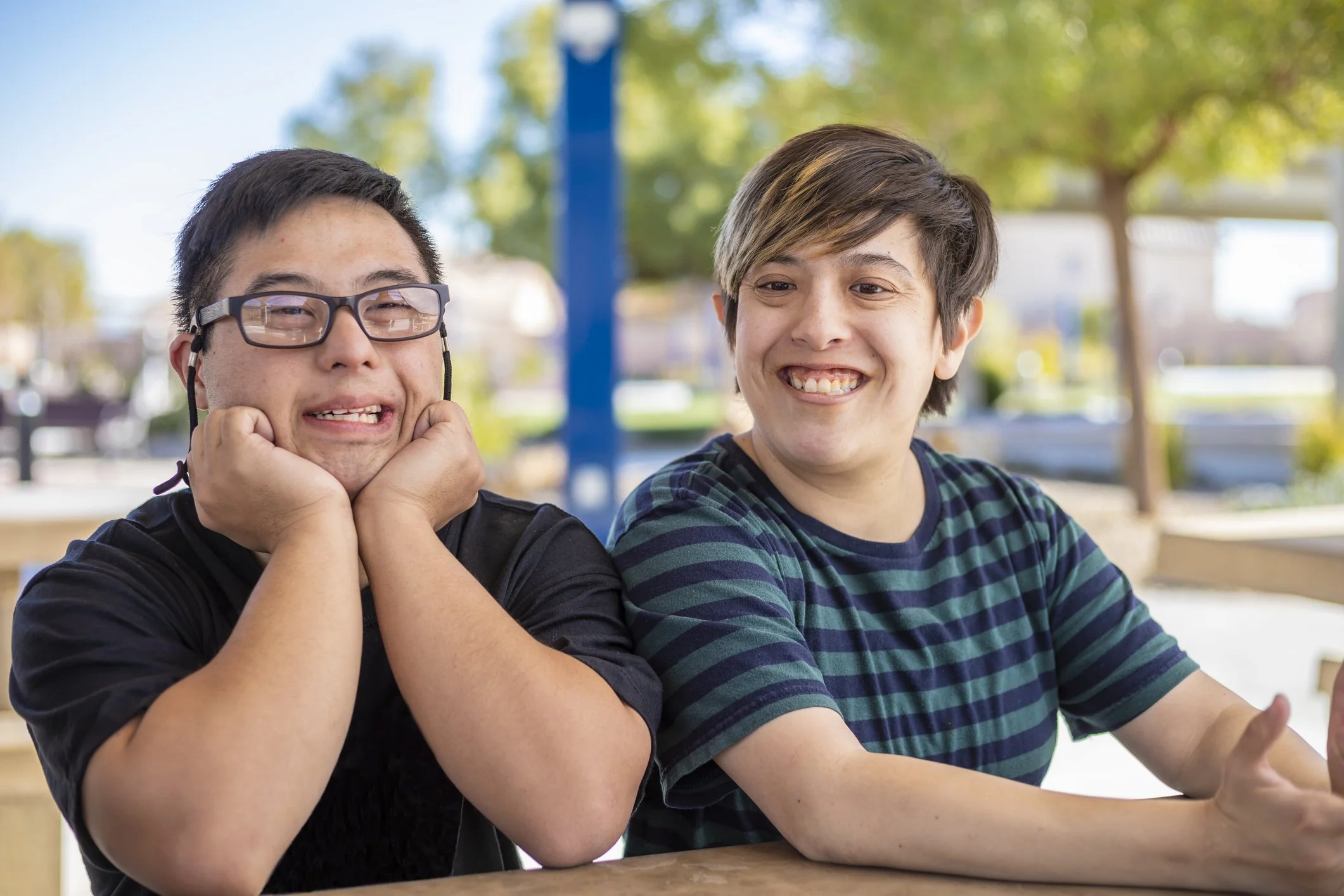
Friendship skills are practical tools that can help someone start, grow, and maintain relationships. These skills may include:
Greeting someone in a way that feels natural.
Finding shared interests, such as music, games, art, animals, or books.
Asking simple questions and listening to the answer.
Taking turns in conversation.
Setting boundaries and knowing when to take a break.
Handling friendship problems, such as misunderstandings or changed plans.
For some people, small talk can be useful because it gives a simple way to begin a conversation. For others, small talk may feel confusing or unnecessary. In those cases, it can help to start with a shared topic, activity, game, class, hobby, or community interest.
These skills can often be practiced in a supportive way when the person wants help building them. The purpose is not to make someone to change who they are. The purpose is to give them tools they can use when they want to connect with others. Support should protect self-esteem and respect how each person communicates.
Ways to Support Making Friends With Autism

Start With Similar Interests
Friendships often grow more naturally when people have similar interests. This may include art, music, animals, gaming, books, sports, technology, movies, volunteering, or another focused activity. A shared interest gives people something clear to talk about and do together.
For example, a child who loves trains may enjoy a museum event or a book about trains with another child. Autistic adults who enjoy art may feel more comfortable in a sketching class than at a loud party. Starting with similar interests can make social interaction feel less forced.
Choose Lower-Pressure Social Settings

Large social events may work well for some people, but they can feel overwhelming for others. Smaller social groups, structured activities, or planned meetups may be easier because the purpose is clear. This can help autistic people feel comfortable while building friendships at their own pace.
Caregivers can help by asking simple planning questions before an event:
What will happen there?
How long will it last?
Is there a quiet place to take a break?
Who will be there?
What can the person do if they need help or want to leave?
Use Online Community with Care
An online community can be a helpful place to meet people with shared interests. Online spaces may give someone more time to think, write, and respond. Caregivers can support children and teens by checking privacy settings, reviewing safety rules, and helping them choose age-appropriate spaces.
Online friendship still needs safety and support. Children and teens may need help understanding private information, safe messaging, and what to do if someone is unkind. Adults may also benefit from choosing moderated spaces or interest-based groups where the rules are clear.
Practice Clear Communication
Clear communication can make friendship easier. This may include saying what someone likes, asking for a break, explaining a sensory need, or telling a friend what kind of plans feel best. Direct language can reduce guessing and help both people understand each other.
For example, someone might say, “I like talking about this topic, but I need a quiet break now.” Another person might say, “I want to come, but I can only stay for one hour.” These statements support boundaries and can help friendships last longer.
Prepare for Friendship Challenges
All friendships have hard moments. There may be misunderstandings, canceled plans, hurt feelings, or different expectations. It can help to practice simple repair skills, such as apologizing, asking what someone meant, or saying, “I think we misunderstood each other.” These skills can make friendship problems easier to handle.
How Families and Caregivers Can Help
Parents and caregivers can support friendships by listening first. Helpful questions may include:
Do you want one close friend, a small group, or more chances to practice?
What kinds of people or activities feel easiest to be around?
What makes social situations feel stressful?
What would help you feel more comfortable?
Do you want help planning, or do you want space to try on your own?
It can also help to plan ahead. Families may talk through what to expect, practice a few conversation starters, choose a quieter location, or create an exit plan if the setting becomes too much. These supports can make social situations feel more predictable.
Caregivers can also watch for signs that support is needed. A person may want friends but avoid every invitation after a hard experience. They may come home exhausted after social events. They may feel left out but not know how to join. These signs can open a gentle conversation about what would make friendship feel safer.
It is important not to measure success by how social someone appears. A person may be happy with one friend, a small group, or a few trusted online connections. Support should match the person’s own goals, not what others think friendship should look like.
When Structured Support May Help
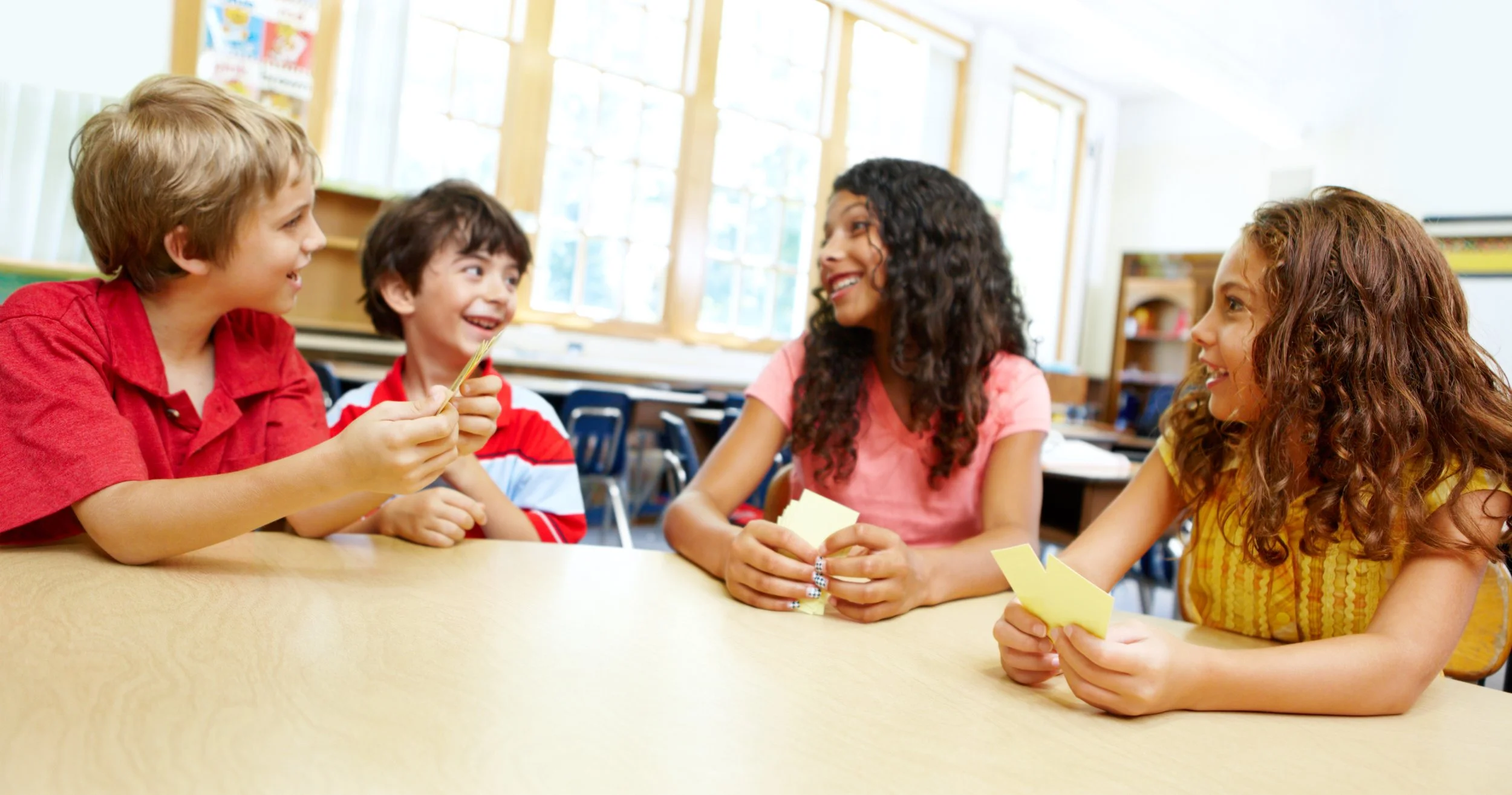
Some autistic children, teens, and adults may benefit from structured support for social skills. Social skills groups can offer a place to practice conversation, teamwork, problem-solving, and building friendships in a guided setting. The best support should respect the person’s needs and should not pressure them to hide who they are.
Families seeking autism services can look for programs that focus on confidence, communication, and real-life social connections. Support should be individualized because autism is a spectrum, and each person’s goals, strengths, and comfort level are different.
Good programs should also consider sensory needs, communication differences, anxiety, and past negative experiences. A helpful group will give people time to practice, make mistakes, try again, and learn in a safe setting. It should also include chances to use skills in real social situations, not only during lessons.
Tips for Building Friendships Over Time
Friendship often takes time. It may start with saying hello, sitting near someone, joining the same activity, or sharing one topic. Over time, the connection may grow into texting, meeting again, helping each other, or doing something together outside the group.
Small steps can count. A person might practice one greeting, one question, or one way to end a conversation politely. They might also choose one event each month instead of many events each week. Building friendships should feel possible, not overwhelming.
Friendship Can Grow in Many Ways
Building friendships does not have to mean changing someone’s personality or forcing constant social time. It can mean finding the right people, places, routines, and support.
For autistic people, meaningful connections may grow through shared interests, honest communication, steady trust, and spaces where they can feel comfortable being themselves. With the right support, making friends with autism can become less about pressure and more about belonging.