

Belonging Begins Here
Ways to be an Ally
Belonging starts with simple, intentional acts.
Here you can find easy, everyday ways we can all help make spaces more inclusive—whether at home, work, or in the community. From listening with empathy to inviting people into the conversation, you can explore practical tips, conversation starters, and resources that inspire action.
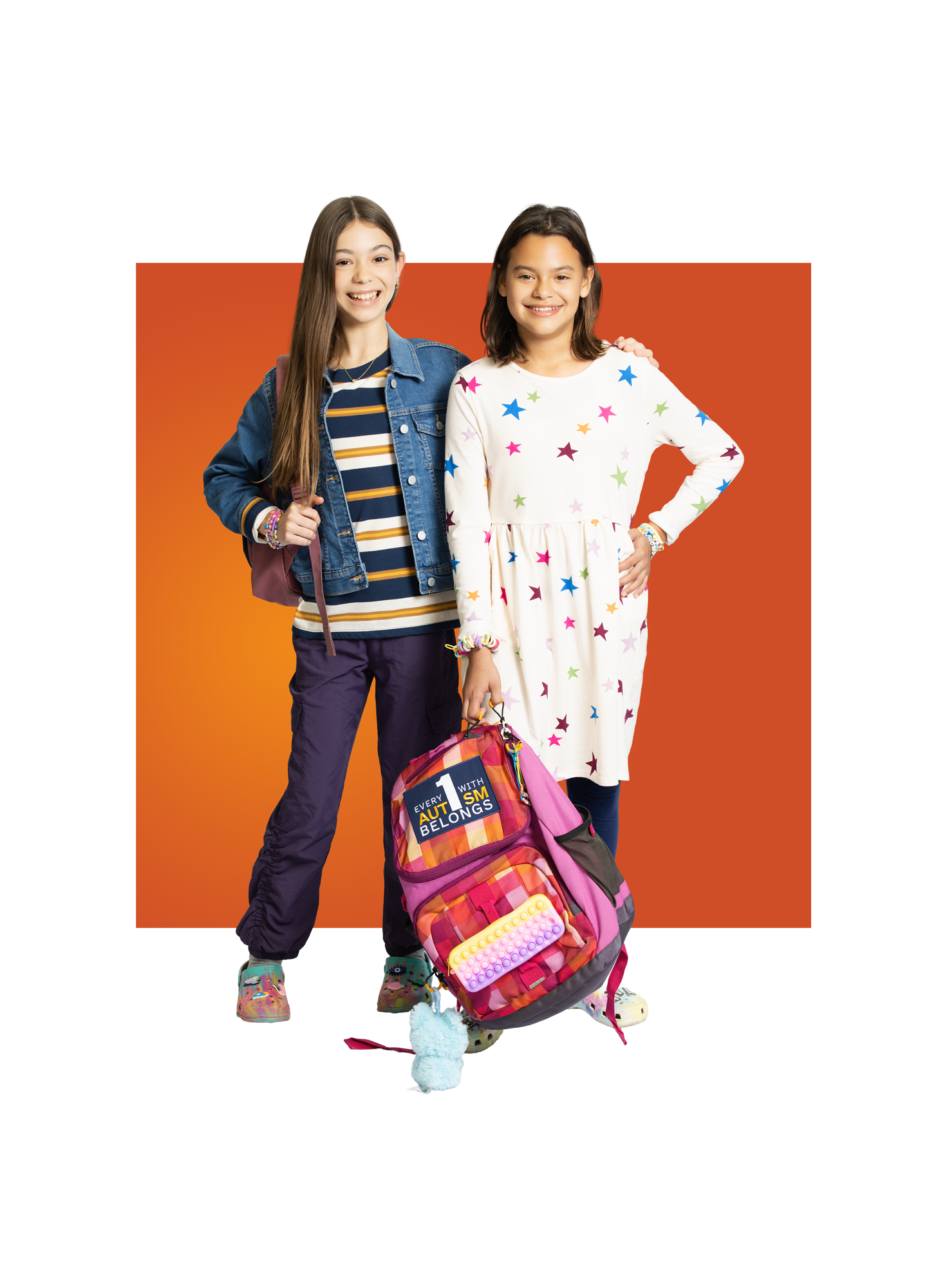
School
Lead by example. Model empathy and respect in every interaction.
Celebrate differences. Make classroom displays, lessons, and projects that reflect all types of learners.
Offer flexible participation. Allow alternate ways to complete assignments or share ideas.
Build peer connection. Pair students for projects intentionally to nurture friendships and understanding.
-
“What helps you feel most supported in class?”
“What makes a good friend to you?
“What helps our classroom feel safe for everyone?”

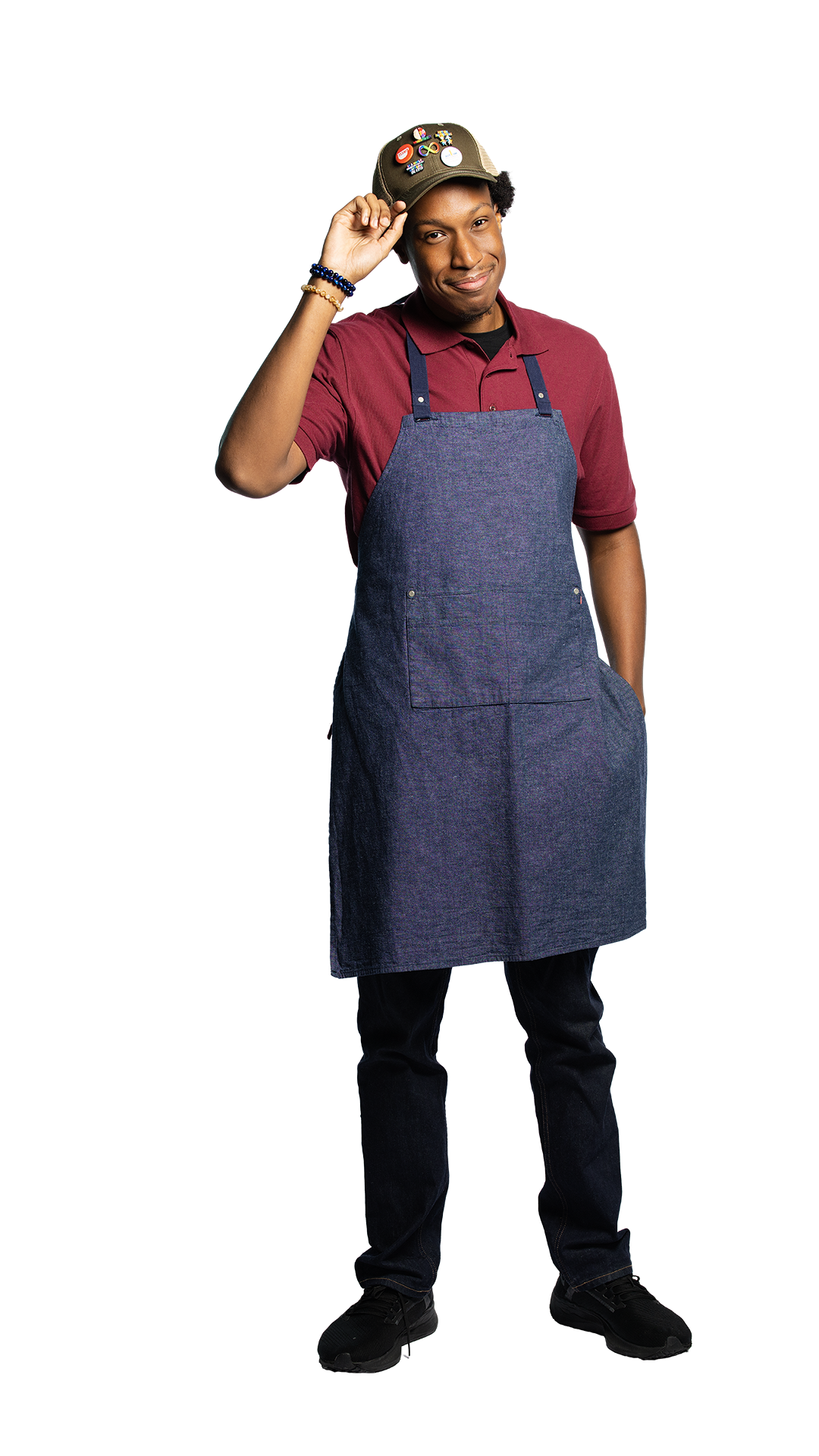
Workplaces
Design sensory-friendly spaces. Include quiet spaces, varied lighting, and comfort as part of the workplace norm.
Communicate clearly. Use direct, respectful language and avoid vague expectations.
Respect different rhythms. Treat flexibility as a strength, not a special request.
Spot and celebrate strengths. Make it common to notice what people do well, not just what they produce.
-
“What helps bring your best self to work?”
“How do you prefer to receive feedback or updates?
“What helps our workplace feel more inclusive to you?”
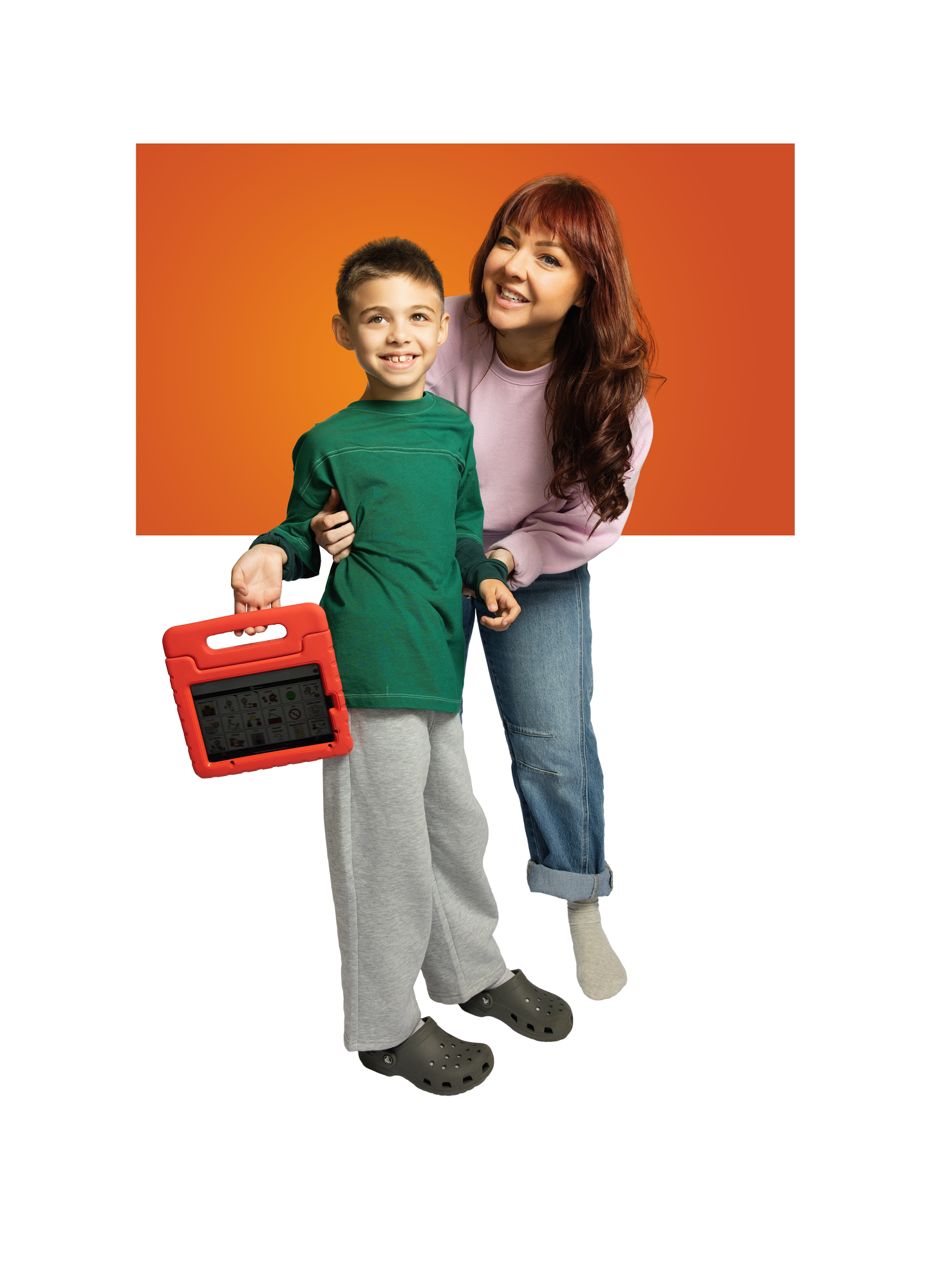
Family & Friends
Lead with love. Listen to understand, not fix—just hear and validate.
Honor routines and preferences. Respect how your loved one organizes their world.
Share joy. Celebrate progress, passions, and individuality.
Advocate together. Learn and speak up for inclusion in your community.
-
“What makes you feel happiest or calm?”
“Is there something you wish others understood better?”
“What kinds of support feel most helpful when things are hard?”
Communities & Allies
See everyone. Learn names, watch for how a person likes to communicate (eye contact or not, etc.) and offer genuine connection.
Rethink “normal”. Embrace that there’s no one right way to move, think, or communicate.
Create accessible spaces. Add clear signage, quiet areas, and sensory-friend events.
Amplify voices. Support autistic creators, advocates, and local initiatives.
-
“What helps this space feel welcoming to you?”
“What makes this space harder to access or enjoy?
“What’s one way we can reflect more voices in our event or spaces?”

BELONGING IS
Stories in Autism
Belonging begins when we start to understand each other. Share your stories and use your voice to help create space for autism so that every1 belongs.
Learn more about our Privacy Policy.